Introduction to Chinese Tea
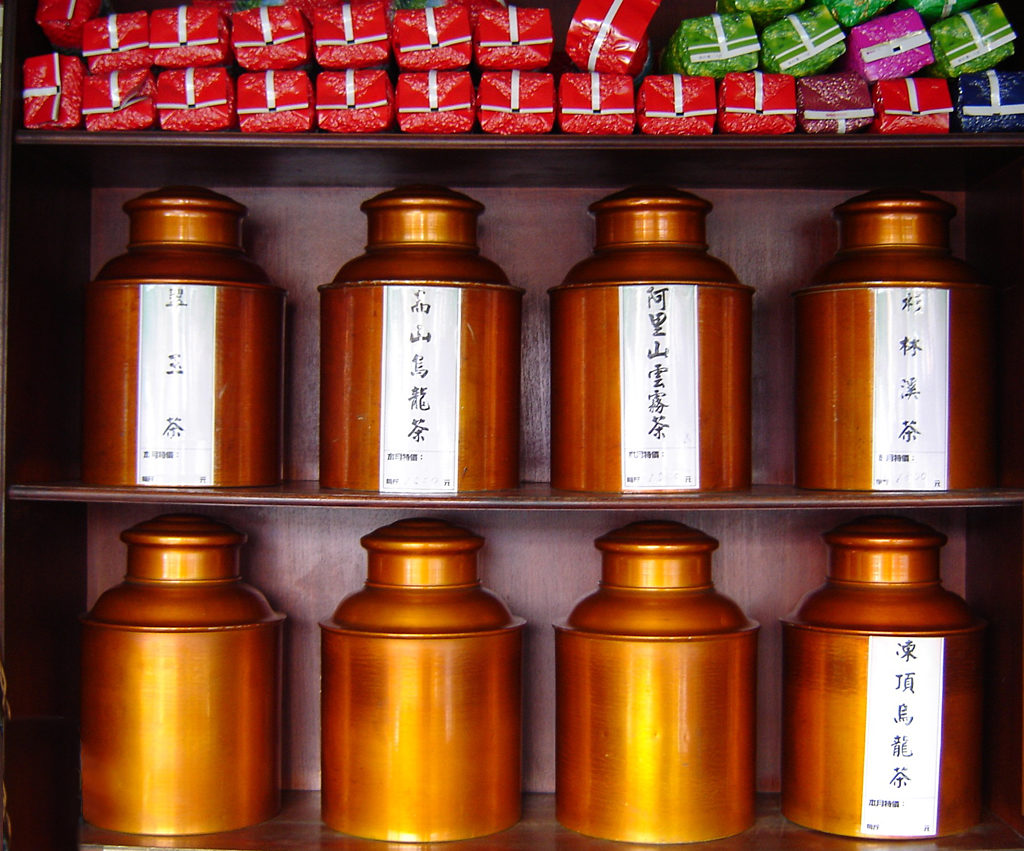
Tea has been around in China for 2,000, years since the Han Dynasty. In this brief overview we look at what tea is, how it is grown, processed, and consumed, its health benefits, and how it has influenced our language.
Contents
What is Tea?
Tea: China’s Greatest Export
Tea Growing and Processing
Tea Chemistry
Making and Drinking Tea
Tea and Health
Tea and the English Language
Miscellaneous Facts
What is Tea?
Tea is an evergreen tree or shrub native to southern China, Tibet and northern India. Camellia sinensis is what the boffins call it. Three basic varieties are recognised, named for their location: China, Assam, and Cambodia. The Chinese variety prefers high altitudes and can produce its small serrated leaves for a hundred years. Chinese have been steeping these leaves in water to make a refreshing drink for at least two thousand years. Cultivated plants are regularly pruned keeping them short for easy leaf picking but the wild tree (which can still be found in Yunnan province) can reach (40ft), while an untended domesticated plant can grow up to (30ft). Tea should not be confused with the tea tree found in Australia – Leptospermum, or herbal and flower teas (tisanes), neither of which are true teas.
Tea: China’s Greatest Export
Chinese cuisine has been exported to the world very successfully. Tea is the one singular item that has eclipsed all Chinese foodstuffs and even the cuisine itself in its influence on the wider world. A drink enjoyed in all its various forms by everyone from Japanese Emperors to Russian peasants.
Nearly three million tons of tea are produced worldwide, according to the UK-based Tea Institute. Tea drinkers consumed nearly three cups a day in 1999, or a million more cups than the year before, according to the Institute.
Tea like coffee contains caffeine, and no doubt the addictive qualities of that substance play a part in the drink’s popularity.
With the health benefits of tea increasingly understood and touted, tea will continue to win new adherents well into the future.
Perhaps not everyone would know that coffee originated from north-east Africa. Most folks though will always associate tea with its birthplace in China.
Tea Growing and Processing
- Green, black and oolong tea come from the same plant, though different strains may be used. The difference is in the processing.
- Green tea is not oxidised. Oolong is semi-oxidised, while black is fully oxidised.
- Tea likes cool weather and grows most successfully at a temperature under 20° Celsius. Experts say the best tea is grown in moist conditions, fog for example.
- High mountain tea – that grown at around 1,800 metres (6,000 ft) is considered the best.
- Spring tea is considered the best, followed by winter tea.
- Labour intense pruning and picking along with acid soil and reasonable rainfall are considered prerequisites of a good tea plantation.
- Hand-picked tea is preferred mechanical picking as better (and therefore dearer than machine picked tea. Mechanised tea picking is definitely frowned upon by real connoisseurs.
- There are their many varieties of tea, and numerous grades. Just as for wine tea judging competitions for tea are held, and the winner of a prestigious award, if he is resourceful enough, can live well off the reputation for decades.
- Chinese tea is a very clean drink (without milk or sugar) and is great for cleansing the palette after an greasy meal (lemon tea or scented teas are fine too). Of course the hot water in a freshly steeped cup plays a role in this.
- One Taiwan tea vendor told me that the best local tea comes from Jade Mountain. There is Dongding tea for sale at US$1,500 to $1,800 a catty.
Tea Chemistry
- What is known as fermentation of tea leaves should actually be called oxidisation as there is no bacterium, mould, or an enzyme, that causes fermentation.
- Baking tea for longer periods helps the leaves retain more of the original flavour
- Green tea contains higher amounts of vitamin C than other types. It is believed that almost all the vitamin C in black tea is destroyed during oxidisation.
- Black tea has more colour but is less astringent than green tea.
- By volume there is less caffeine in tea than coffee.
- There is minute amount of sugar in tea leaves.
Making and Drinking Tea
- Some tea connoisseurs believe charcoal is the best fuel to boil tea water with. Charcoal, they claim imparts more energy into the water.
- There is no reason why tea bags cannot be not packed with the finest quality leaf, though they usually are not.
Tea and Health
|
Attribute |
Tea Type |
|
Digestion |
All types |
|
Anti-bacterial |
All kinds (unconfirmed) |
|
Cancer Prevention |
Green |
|
Heart Health |
Oolong, Pu’er for cholesterol; Green & Oolong for blood vessels |
|
Slimming |
Oolong & Pu’er |
|
Dental Health |
Green |
Tea and the English Language
Some common tea words:
Tea (dinner), high tea, tea time, morning/afternoon tea, tea break, tea shop, tea towel (dish towel), tea set, tea service, tea caddy, tea cup, tea saucer, tea pot, tea kettle, teaspoon, tea cosy, tea table, tea chest.
A few tea phrases:
A bull in a china shop.
A storm in a teacup.
All the tea in China.
Anyone for tea?
The good china: (as in “The Tremblethorns are coming over for afternoon tea. We had better get out the good china.”)
Miscellaneous Facts
- Chinese drink much more green or oolong than black tea. Ninety percent of black tea production is exported. China is the world’s largest supplier of green tea, with 90% of tea on the international market.
- Taiwanese are inveterate oolong drinkers. Black or green tea is always considered second-rate and is only used in flower or scented teas of cold tea concoctions such as fruit tea etc.
- Outside of China most people drink black tea. The Japanese being an exception, preferring green tea.
- Tea is used as an an ingredient or flavouring in many kinds of food by the Chinese. Tea eggs are a ubiquitous example. It is used in dishes and you can buy tea jelly, tea biscuits, tea cake, just to name a few.
- Tea leaves that have been steeped once are used in cooking.
- To relieve thirst and sweeten breath, chew on dry tea or steeped leaves
- Gaoling, a village in Jingdezhen, north-eastern Jiangxi, gives its name to kaolin.
Source: All the Tea China
Try this Chinese tea recipe
Tea eggs
More information about Chinese tea
Chinese Tea History – Eating China